
The Enigmatic “Strawberry” Leopard
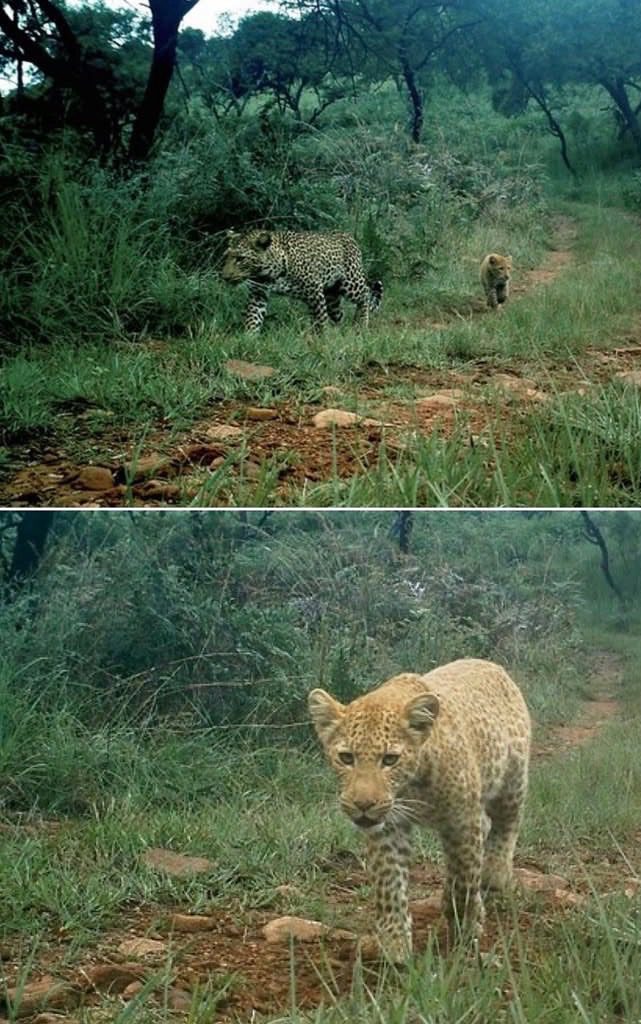
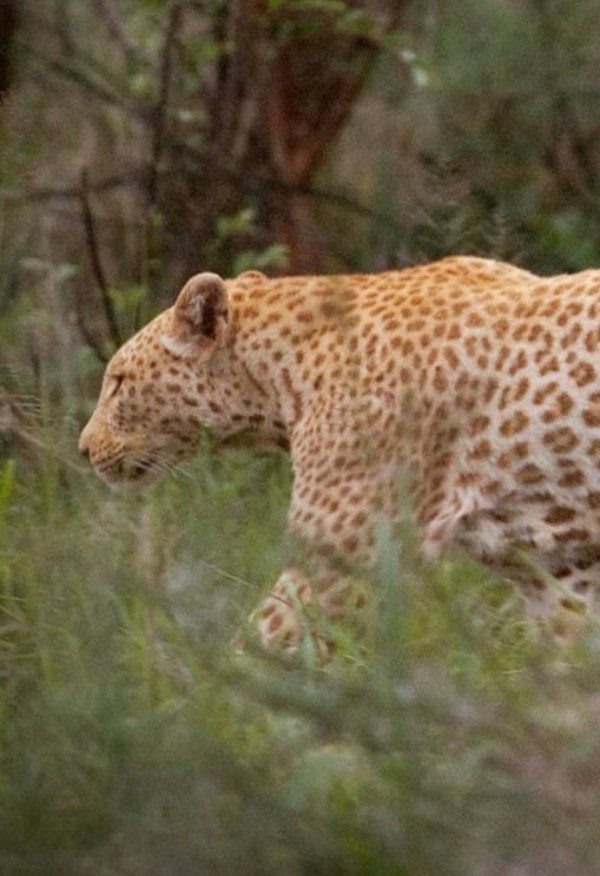
In a stunning development, an ultra-rare “strawberry” leopard cub has been discovered in South Africa, enchanting wildlife enthusiasts and researchers alike. This remarkable feline is distinguished by its striking reddish coat, attributed to a rare genetic condition known as erythrism. This condition, marked by unusual reddish pigmentation, sets this leopard apart from its more traditionally colored peers.
Understanding Erythrism
Erythrism is a genetic anomaly that alters the pigmentation of an animal’s skin, hair, or feathers, resulting in a reddish appearance. While this condition is more frequently seen in birds and reptiles, it is exceedingly rare among mammals, particularly big cats like leopards. Erythrism is akin to albinism or melanism, but rather than lacking pigment or possessing an excess of dark pigment, erythristic animals showcase a reddish hue.
The Significance of This Discovery
The sighting of a “strawberry” leopard is significant for several reasons. Firstly, it enhances the genetic diversity and complexity of the leopard species, providing researchers with a rare opportunity to study the effects of erythrism in a natural environment. Secondly, it underscores the importance of genetic variation in wildlife conservation and its critical role in adaptation and survival.
Conservation Implications
This sighting emphasizes the ongoing need for conservation efforts aimed at protecting these magnificent creatures and their habitats. Leopards, like many big cats, are threatened by habitat loss, poaching, and human-wildlife conflict. Safeguarding genetically unique individuals, such as the “strawberry” leopard, highlights the broader necessity of preserving biodiversity.
A Call to Action
This rare sighting serves as a poignant reminder of the wonders that still exist in the natural world and the responsibility we share to protect them. Conservation organizations and wildlife enthusiasts are encouraged to support initiatives that promote habitat preservation, anti-poaching measures, and community engagement to ensure the future of leopards and other endangered species.
The “strawberry” leopard is more than just a scientific curiosity; it symbolizes the intricate beauty and diversity of life on Earth. Its existence inspires awe and highlights the urgency of conservation efforts to guarantee that future generations can experience such extraordinary marvels.