
The Leopard Is Disappearing — Quietly
It’s one of the most photographed animals on Earth. It’s also one of the fastest-declining. Here’s what the numbers actually say, and what you can do about it today.
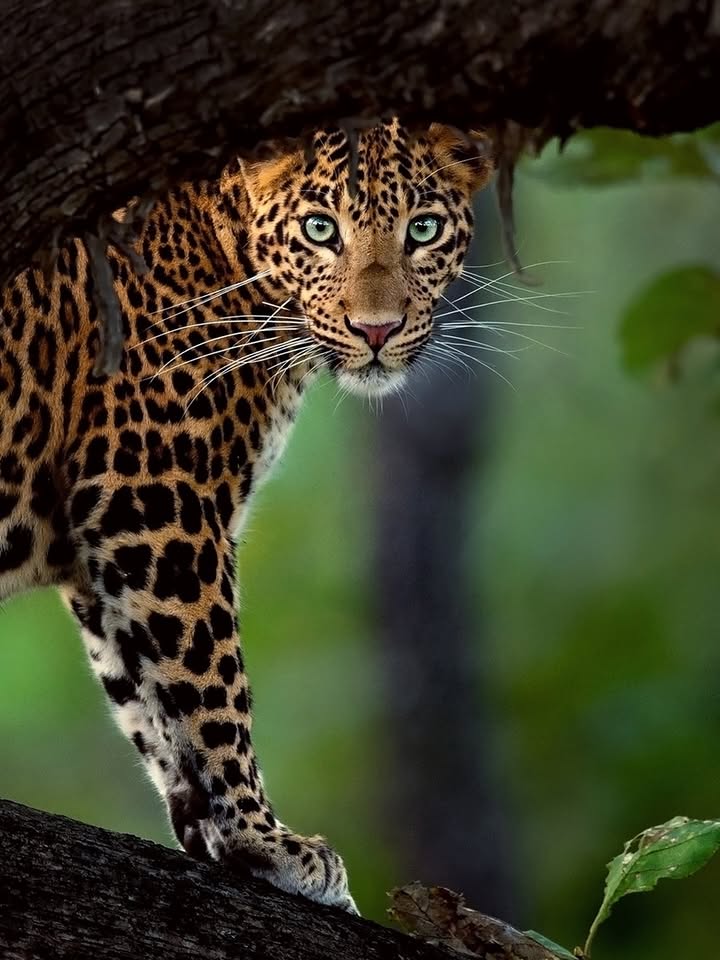
If survival were a competition, the leopard would have already won it several times over. No other big cat covers as much geography, thrives in as many climates, or shrugs off as much human encroachment while still finding a way to nap on a branch like it’s the only thing that matters. And yet, for all that adaptability, the leopard is running out of room — and the science says it’s happening faster than most people realize.
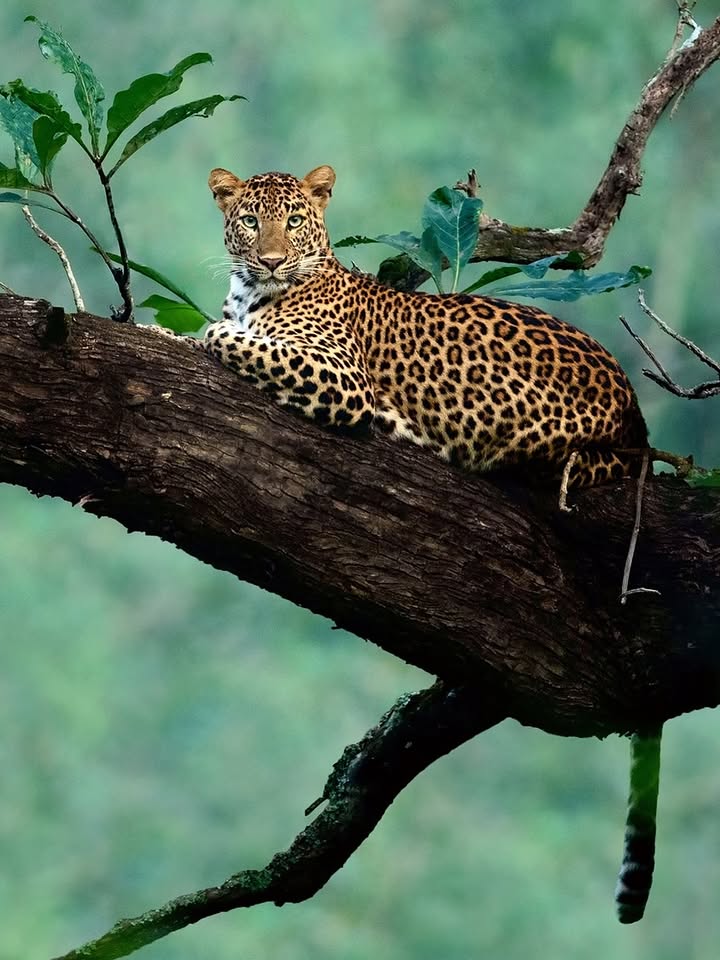
The Numbers That Should Alarm You
A recent reassessment of the Indian leopard found the population has fallen by roughly 24.5% over the last three generations, driven by habitat fragmentation and rising conflict with people at the edges of its range1. A genetic study tracing Indian leopard subpopulations further back found evidence of a 75 to 90 percent decline over the past 120 to 200 years, coinciding with sweeping land-use change across the subcontinent2. And that’s the subspecies doing relatively well.
Conservation Status, By Subspecies
- Indian leopard — Near Threatened; ~24.5% decline over three generations1
- Amur leopard — Critically Endangered; total wild population estimated at just 84 individuals, across the entire Russia-China border region3
- Sri Lankan leopard — Endangered
- Persian leopard — Endangered
- Arabian leopard — Critically Endangered, already confirmed extinct across parts of its historic range
Why This Is Happening
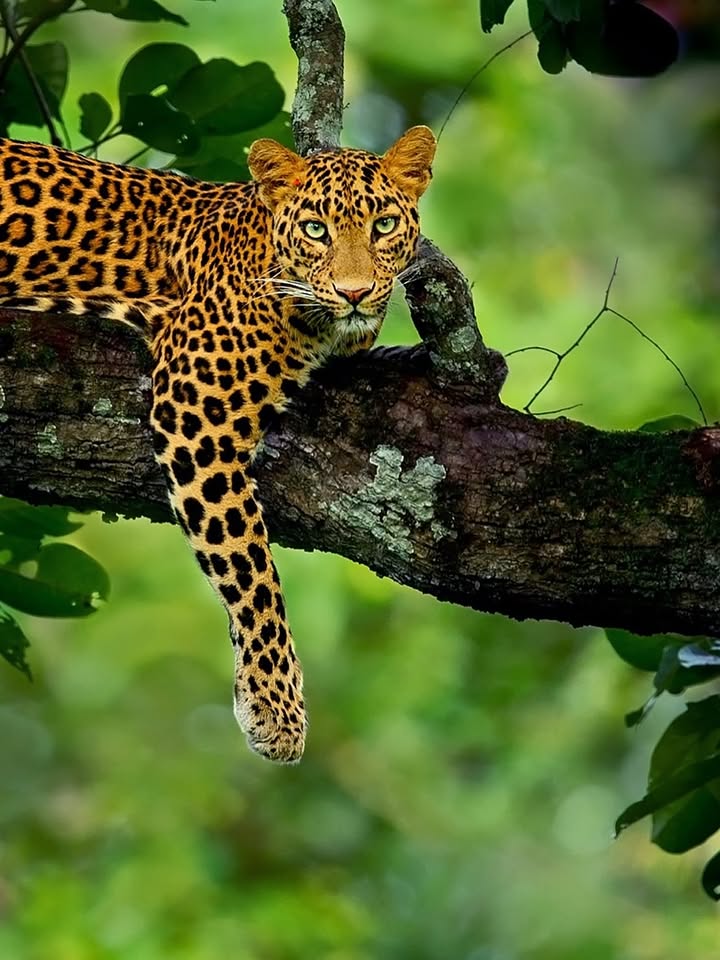
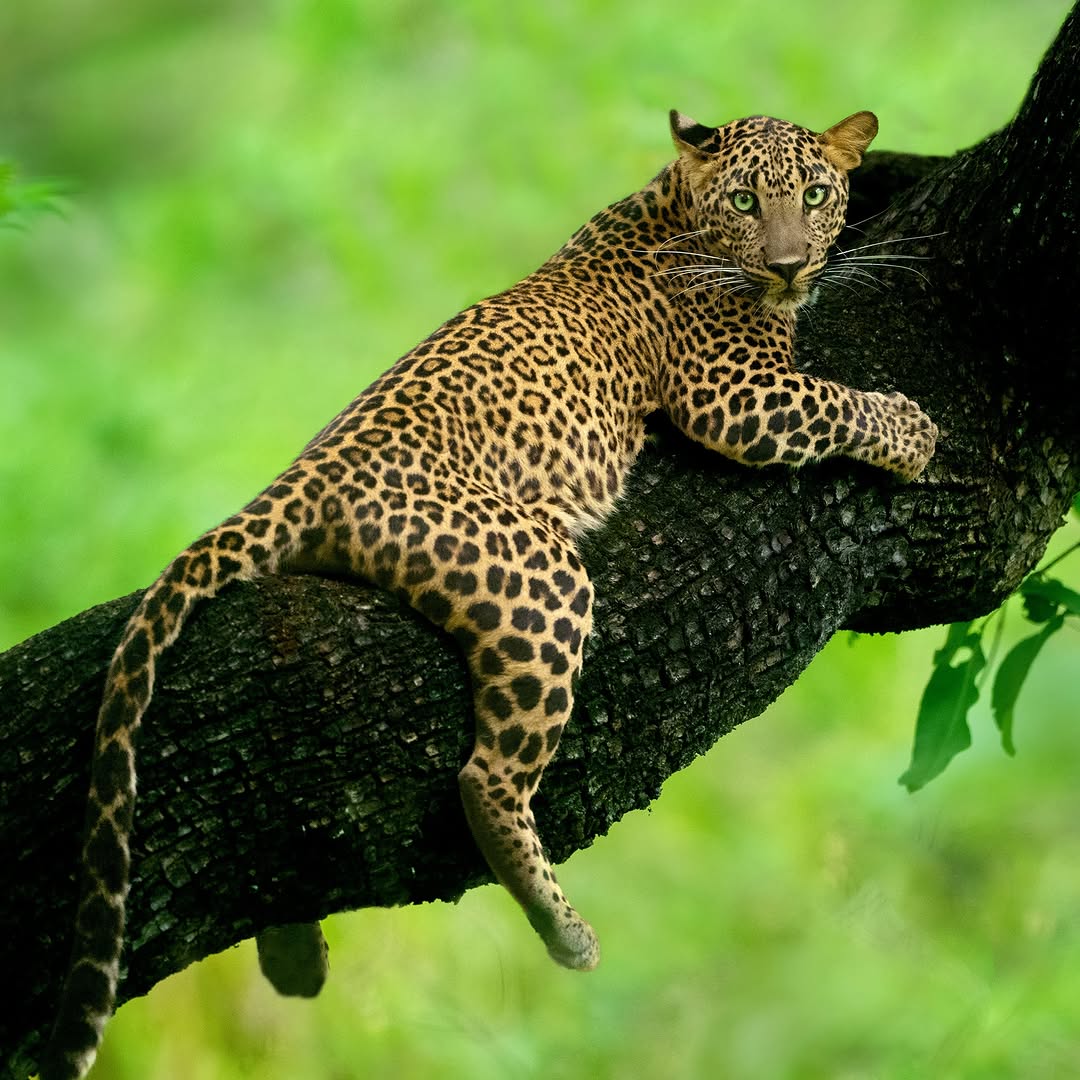
The same qualities that make leopards so successful — their willingness to live near farmland, villages, and forest edges — are now putting them in more frequent contact with people, and more frequent conflict. Habitat fragmentation from agriculture and development, retaliatory killings after livestock losses, poaching for skins and bones, and a shrinking natural prey base are compounding across the species’ range. None of these threats are exotic or unfixable. They’re the same pressures facing nearly every large carnivore trying to share a shrinking planet with us — which means they’re also pressures we know how to reduce.
What Actually Helps
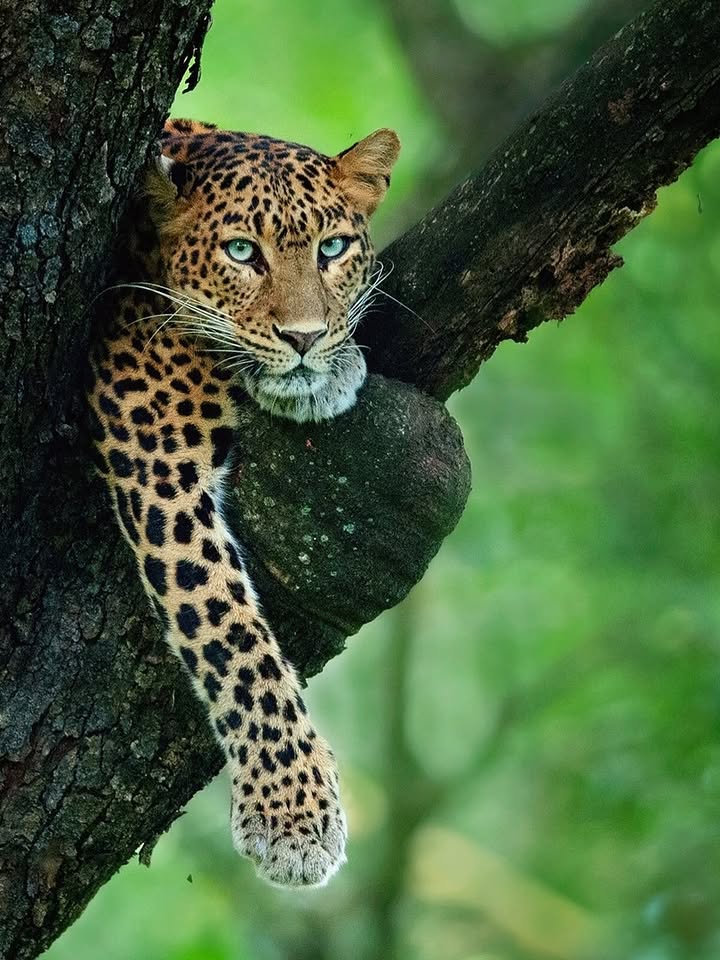
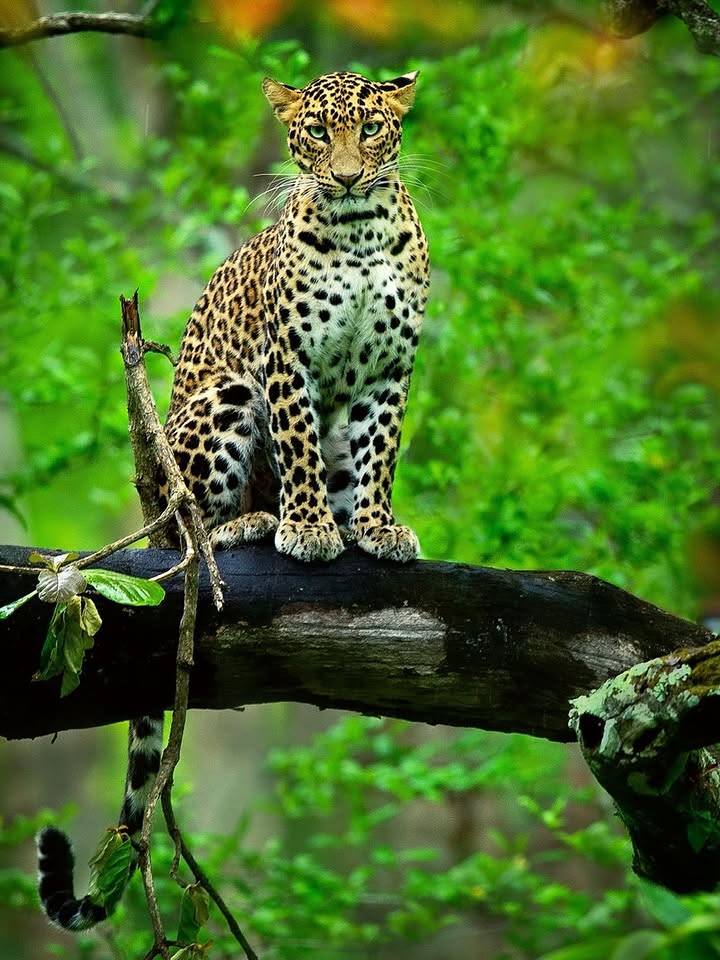
The leopard has clawed its way back from worse odds before. Camera-trap monitoring has replaced guesswork with real data, letting conservationists identify exactly which corridors and reserves are working. Community coexistence programs — compensating farmers for livestock losses, funding predator-proof enclosures, and turning leopard sightings into ecotourism income rather than a reason for retaliation — have shown measurable results in parts of India and Russia alike. None of it happens without sustained attention and funding.
Five Ways to Help, Starting Today
- Support verified conservation organizations working directly on leopard habitat protection and anti-poaching efforts, rather than general wildlife funds — your dollars go further when they’re targeted.
- Choose ecotourism over exploitation. If you visit leopard range countries, book operators that fund local conservation and community coexistence programs instead of unregulated wildlife encounters.
- Never buy leopard products. Skins, claws, teeth, and bone are still trafficked, sometimes as substitutes for other big cat parts. Demand drives poaching — refusing to buy removes the incentive.
- Talk about it. Awareness is not a throwaway ask — most people assume leopards are “common” because they’re common in photos. Share the real numbers. Correct the misconception when you see it.
- Support habitat corridors, not just parks. Leopards need connected land to roam between protected areas. Organizations working on corridor easements and land-use policy are doing some of the most underfunded, highest-impact work in the field.
Our Commitment
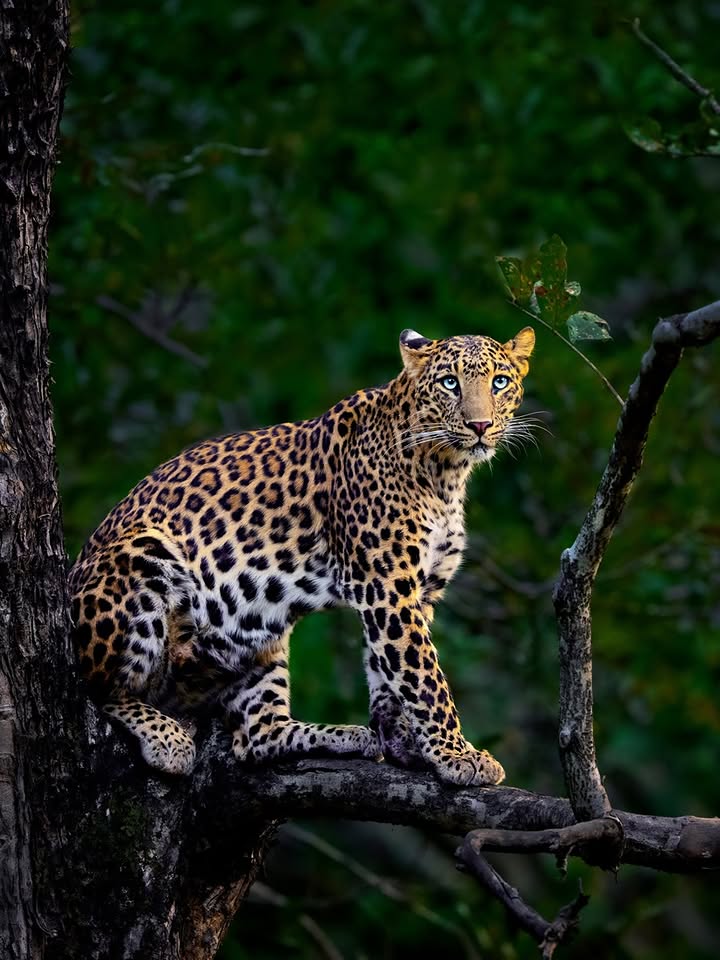
The Cat House Foundation directs a portion of Cat House proceeds toward animal welfare and awareness efforts for cats both wild and domestic — because a species this remarkable deserves more than admiration from a distance. Raising awareness costs nothing but a share. Protecting habitat costs more, and that’s where we put our resources.
Get Involved Read MoreEndnotes
- Down To Earth, “Indian leopard suspected to have decreased by 24.5% over last 3 generations: IUCN,” 2024. downtoearth.org.in
- Mongabay-India, “Leopard genes hint at a probable population decline in India a century or two ago,” 2020. india.mongabay.com
- Morung Express, “‘Only 84 Amur leopard remain in the wild,'” citing Xinhua News Agency. morungexpress.com